Slots · Daily read
Why Some Slots Have 96% RTP and Others Only 92%
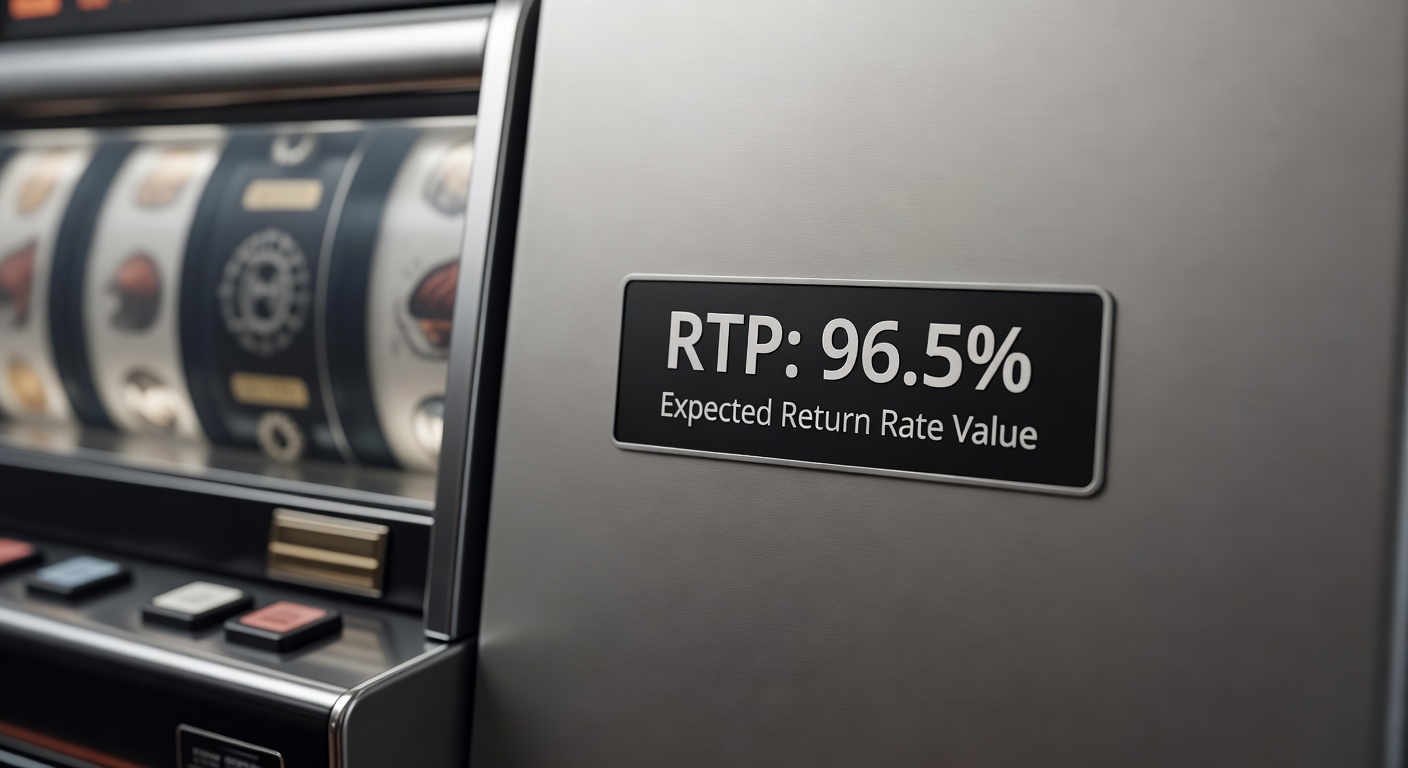
A 96% RTP slot and a 92% RTP slot feel identical to play. Over 1,000 hours, the difference is EUR 4,000 in expected loss. RTP is the only number that matters.
By Sam Ortega, 3 min read
Day145
Entered under Slots. Also under Table maths.
There was a bookie down Brick Lane, Manchester, 1982. Old Jimmy. He'd take any bet and he understood one thing: the vig is the only thing that matters.
I see the same principle in slots. A 96% RTP and a 92% RTP slot are marketed differently, themed differently, paid for differently. But the only difference that matters is the four percent gap in house edge.
Here's the math for normies.
Slot A: 96% RTP. You wager EUR 1,000. You expect to get back EUR 960. Expected loss: EUR 40.
Slot B: 92% RTP. You wager EUR 1,000. You expect to get back EUR 920. Expected loss: EUR 80.
Difference: EUR 40 per EUR 1,000 wagered.
Over a hundred-hour gaming session at EUR 2 per spin and 50 spins per hour (5,000 total spins), the expected wagering is EUR 10,000. The expected loss at 96% RTP is EUR 400. At 92% RTP is EUR 800. The player loses EUR 400 extra just because they chose the wrong machine.
Why Casinos Offer Different RTPs
Licensed operators can choose RTP within regulatory bounds (typically 85-98%). They offer lower RTPs because they profit more. Pragmatic Play produces the same slot game in 92% RTP and 96% RTP versions. The house chooses which one to deploy based on the player cohort.
In high-limit rooms, casinos deploy 96-97% RTP slots. The whales notice and demand better returns. In the casual area, they deploy 92-94% RTP. Casual players do not check RTP. They see theme and graphics.
It's like the old bookie business. Jimmy knew that the sharpest bettors would shop for the best vig. He gave them -110 on both sides. The casual bettors didn't know what vig meant, so he gave them -120 or -130. The math was the same in both cases: all the money flows to Jimmy. But the path is different.
How to Find RTP
Most casinos publish RTP in the game info menu. Click the i icon or the paytable. The RTP is there. Many players never look. They just spin.
Regulated casinos in the UK and EU are required to publish RTP. If it's not published, the game is unregulated and the RTP is whatever the operator set it to (probably 88-90%).
You can sometimes request RTP from support. They will tell you. Licensed operators are forced to be honest about this because regulators audit it.
The Strategy
When choosing a slot, check the RTP. If two slots have identical theme and volatility, pick the higher RTP. The EUR 40 per EUR 1,000 wagered difference is real money.
Do not believe the marketing that says "this slot is hotter" or "this slot pays more frequently." All that matters is RTP. Volatility (how big the swings are) is secondary. RTP is primary.
Some casinos advertise 96% RTP slots prominently. This is a marketing move. It means they know players check RTP and they're flexing. Other casinos bury the low-RTP slots in the back of the lobby. Players find them by accident and don't know what they're getting.
The slots don't know you. The machines don't care. The only thing that separates a good slot from a bad slot is the number between the colons in the RTP line. Everything else is window dressing.
Old Jimmy would approve.
End of the entry for Day 145