Coin casinos · Daily read
What Is a Payment Processor and Why Does It Matter?
A payment processor is the intermediary between you and your casino. They handle the compliance, they hold the money, and they decide whether your transaction goes through.
By Sam Ortega, 3 min read
Day157
Entered under Coin casinos. Also under Primers, Deposits & cashouts and Licences & law.
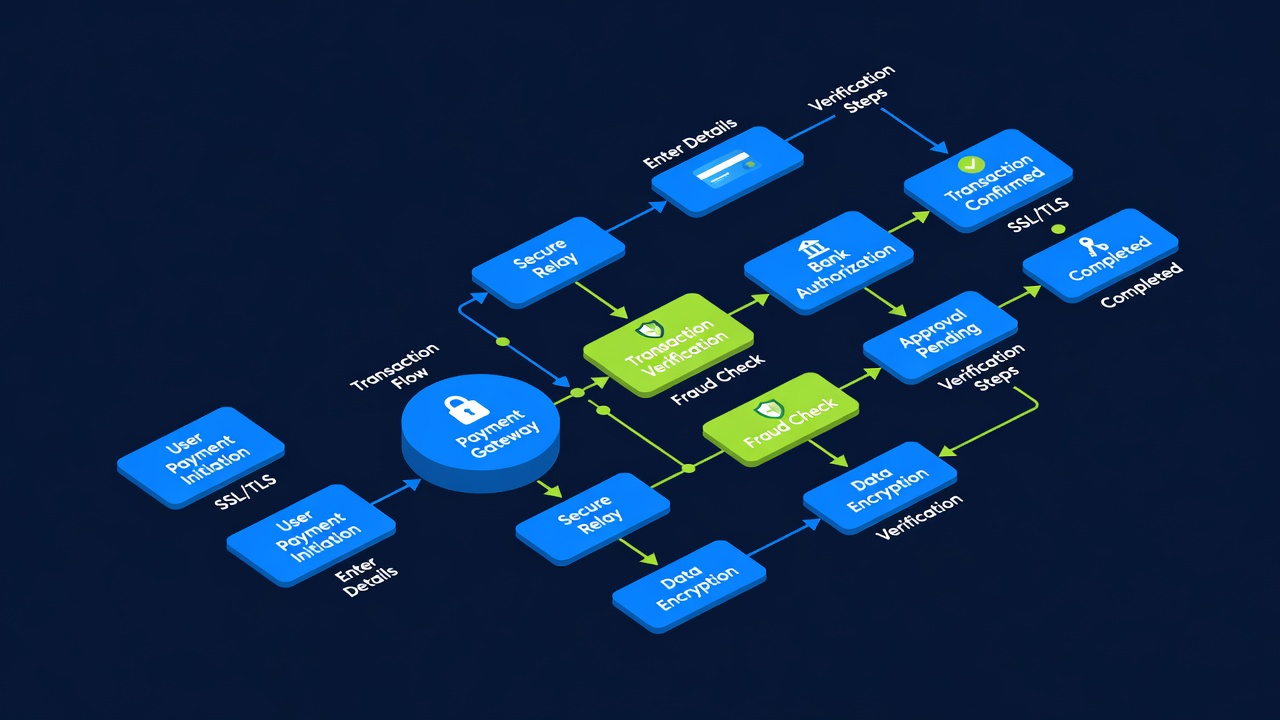
You walk into a casino, cash in hand, ready to gamble. Simple. You transfer EUR 500 from your bank to an online casino. The path is not simple. The money passes through four separate entities before it reaches your account.
Understand this path and you understand why some casinos have faster deposits, why some transactions get declined, and why crypto casinos exist as an alternative.
You, your bank, a payment processor, the casino. That is four entities. Four places where a transaction can stall or fail.
The Payment Processor's Role
A payment processor is a licensed financial services company that moves money between banks on behalf of merchants (casinos, online shops, subscription services). When you deposit EUR 500 at a casino through Skrill, Skrill is the processor.
The processor doesn't hold the money. They route it. Your bank talks to Skrill. Skrill talks to the casino's bank. The money moves through their clearing system. Skrill takes a 2.9% cut plus a flat fee for their work. The casino receives EUR 485.50.
The processor is also a compliance checkpoint. Skrill verifies your identity, screens against sanctions lists, checks for suspicious patterns. If you try to deposit EUR 10,000 to a new account in 48 hours from a high-risk country, Skrill flags it. The transaction stalls until the processor is satisfied.
Why This Matters
Some casinos accept Skrill, Neteller, and direct bank transfer. Some accept only Visa and Mastercard. Some accept only cryptocurrency. The payment methods available determine the deposit speed and cost.
Visa and Mastercard deposits are slower but broader. Most people have a card. The processor is Visa, which is ubiquitous and regulated heavily. The casino receives the deposit within 24 hours.
Skrill and Neteller deposits are faster (minutes) and require you to have an e-wallet account. The processor is specialized. The casino receives the deposit within seconds. But you need to fund your Skrill account first (which itself takes time).
Crypto deposits are instant. No processor. You hold the private key. You move the coins. The casino receives them on-chain. No intermediary, no compliance layer, no waiting.
Each method has a trade: speed versus security, convenience versus privacy, cost versus access.
The Failure Points
Your deposit fails if:
Your bank declines the transaction. Some banks block gambling transactions entirely (Barclays, HSBC, others have policies against this). The money never reaches the processor. You get a declined message.
The processor declines the transaction. Skrill sees a red flag (new account, high amount, high-risk jurisdiction, sanction list match). They block it. The transaction is flagged for manual review. Your casino account waits for the processor's decision.
The processor accepts but the casino rejects. This is rare but happens. The casino's compliance team reviews the processor's decision and decides the deposit violates their risk profile. Refund and the money returns to your account.
Why Crypto Casinos Exist
Crypto casinos strip out the processor entirely. You send Bitcoin to an address. The casino receives Bitcoin on-chain. No bank, no processor, no compliance layer, no intermediary taking a cut.
This is why crypto casinos exist. Not because they are more profitable. Because they eliminate the processor bottleneck. A player wanting to deposit EUR 5,000 faces two options: use a processor and wait hours or days, or use crypto and settle in minutes.
The processor exists to protect against money laundering and fraud. Without a processor, casinos take on more risk. This is why regulated casinos use processors. The processor is a risk offload.
Understand this and you understand the entire online gambling infrastructure. The processor is the gatekeeper. Everything else flows from that reality.
End of the entry for Day 157