Bonus offers · Daily read
Wagering Requirements 30x vs 40x vs 50x: Why the Multiplier Matters
The forty times requirement was standard issue in the 1990s. Thirty was a marker of softer books trying to grab new money. Fifty and up meant they were expecting losses.
By Neil Harper, 4 min read
Day115
Entered under Bonus offers. Also under Deposits & cashouts, Licences & law, Our tests, Slots and Table maths.
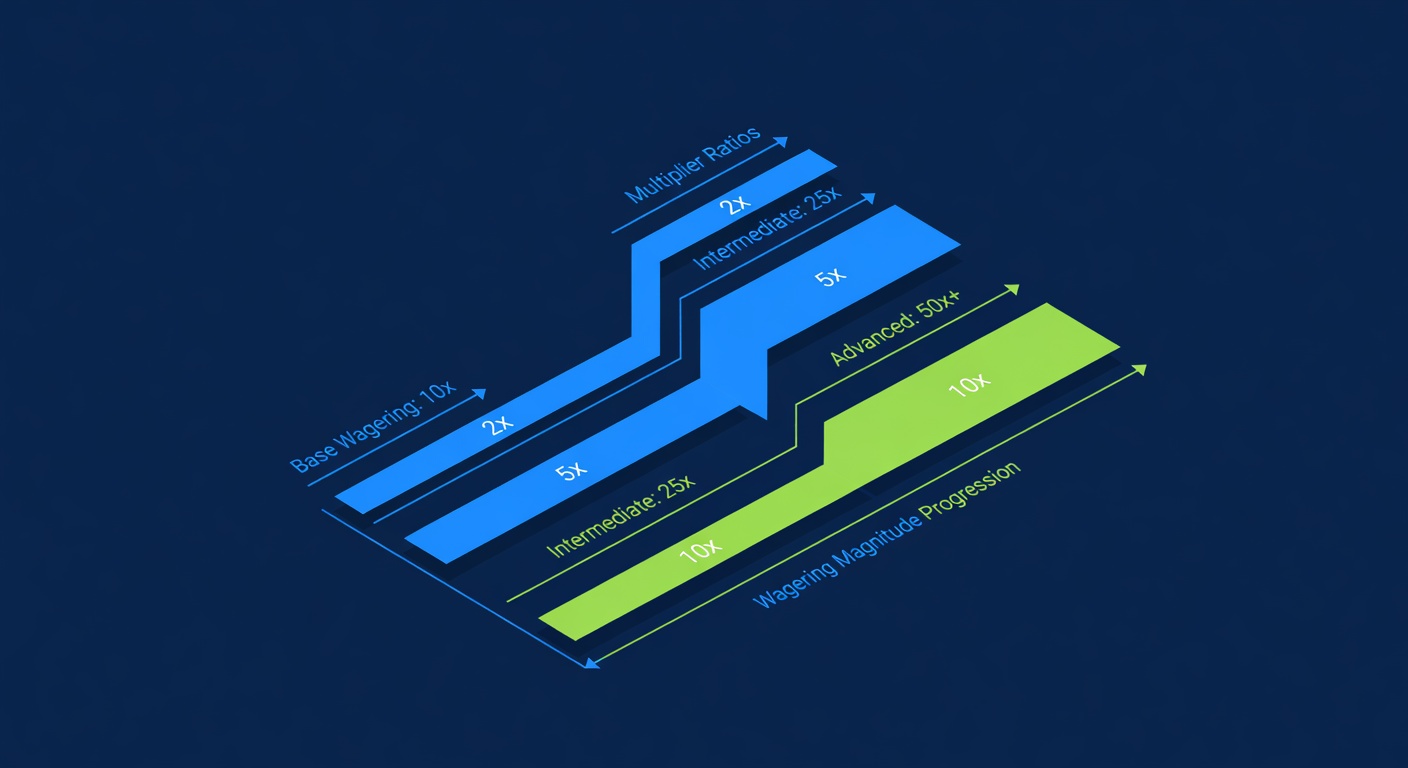
Back in the Eighties and Nineties, Vegas operators had to choose how much action they wanted on their promotional money. No such thing as a free lunch, they said. You want a bonus? You're playing it back, and they wanted insurance. Hence the wagering requirement.
The multiplier is simple arithmetic with a behavior tax baked in. If a casino hands you a hundred dollars and says thirty times play-through, you're putting three thousand dollars through the machine before you touch your winnings. Thirty has been the midpoint for a long time.
The 1990s Wars
When RealTime Gaming and the early-stage software houses started powering online casinos, they built wagering multipliers into their systems. Twenty-five times was aggressive. Thirty was the house standard. Forty-five and up meant the casino was either very confident in its edge or very scared of their player base.
The major Strip casinos watched online betting like hawks in those days. They didn't trust the software. MGM and Bellagio and the Venetian, they stuck to their turf. But the online operators, free from Nevada gaming commission oversight, could experiment. Some houses in Antigua and Curacao offered bonuses with multipliers as low as fifteen times. The players flocked. Most of those casinos are gone now.
By 2003, the market had settled around thirty to forty. A Microgaming-powered site offered thirty. A competitor using Playtech offered thirty-five to stay competitive. Deposit a thousand, play back thirty thousand, and any profit was yours. The casinos' math held up. Most players busted before the multiplier cleared. The edge never wavered.
The Game Selection Problem
Here's where the multiplier got teeth. A thirty-times requirement on a 98% RTP slot felt different from a thirty-times requirement on a 99.7% blackjack table. The bonuses always came with game restrictions.
Slots typically cleared the multiplier in a few hours of play. A hundred on a slot, turning into plays, burned through thirty grand pretty quick if the player was grinding. But table games had withdrawal rates built into their payoff schedules. Blackjack at 99.7% meant the player faced a structural loss. The multiplier on table games might never clear for a losing player.
Casinos started routing bonus cash to specific game buckets. No bonus money on video poker. No bonus cash at table games where the house edge was under two percent. Deposit bonuses got locked into slots and keno, where the math worked for the books. This was the real distinction. The multiplier mattered less than where you could spend it.
The Forty-Times Standard
Thirty times became the marketing floor around 2007. You'd see smaller operations go to twenty-five, but they were trying to lure first-timers and probably losing money on the acquisition. Established names like Bet365 and Paddypower, they went with forty. Forty felt substantial but not punitive. Forty said the casino was confident and not desperate.
The problem with forty: it changed player behavior. A thirty-times multiplier felt like a game. Forty started to feel like work. Retention dropped. Casinos noticed. Some started advertising the forty and delivering bonuses with the thirty-times fine print. Players got mad. Refunds happened. The better operators moved back down to thirty-five.
Fifty times showed up for bonuses on new accounts or reload bonuses during slow seasons. Casinos offered fifty times when they needed to look generous without actually paying out money. The math: a player with a 50% bust rate before clearing the multiplier means the casino never hands over funds. Fifty times on a two-percent-edge game meant the expected player loss before withdrawal was the bonus amount itself. Clean math. Bad optics.
MGA (Malta Gaming Authority) started regulating and requiring transparency on multipliers around 2009. Operators had to disclose the rate upfront. No more hiding it in terms and conditions. UKGC came later with similar rules. The multipliers stabilized. Forty became the dominant standard. Thirty for new customers. Fifty for special promos.
What It Means in Practice
A thirty-times multiplier on a deposit-bonus match meant: deposit a hundred, get a hundred, play back six thousand. At three percent house edge across your play (weighted toward slots), the expected loss is one hundred and eighty dollars. The casino breaks even on player acquisition because they collected three thousand at the tables.
Forty times meant play-back of four thousand on a hundred-hundred match. At the same edge, expected loss was one hundred and twenty. The casino is now spending money on this player. They only do it if customer lifetime value exceeds that forty-dollar expected loss. It does, most times.
Fifty times was and is a trap. Fifty on a hundred-hundred match is five thousand in play. The expected loss exceeds two hundred dollars. The casino is only offering this if they expect the player to rebuy within a month or to be a whale in the making. Marketing likes these promos because they look big. Accounting hates them.
Today's average multiplier across regulated sites is thirty-seven times. This reflects market consolidation and player education. Everybody knows now that the multiplier isn't your bonus. It's a tax on the bonus. The sites that offer lower multipliers win. The smart players hunt them.
End of the entry for Day 115