Poker · Daily read
Check-Raising the River: A Power Play for Advanced Players
The river check-raise demands precision and conviction. It signals either strength or desperate gambling. Which one matters.
By Neil Harper, 3 min read
Day231
Entered under Poker. Also under Table maths.
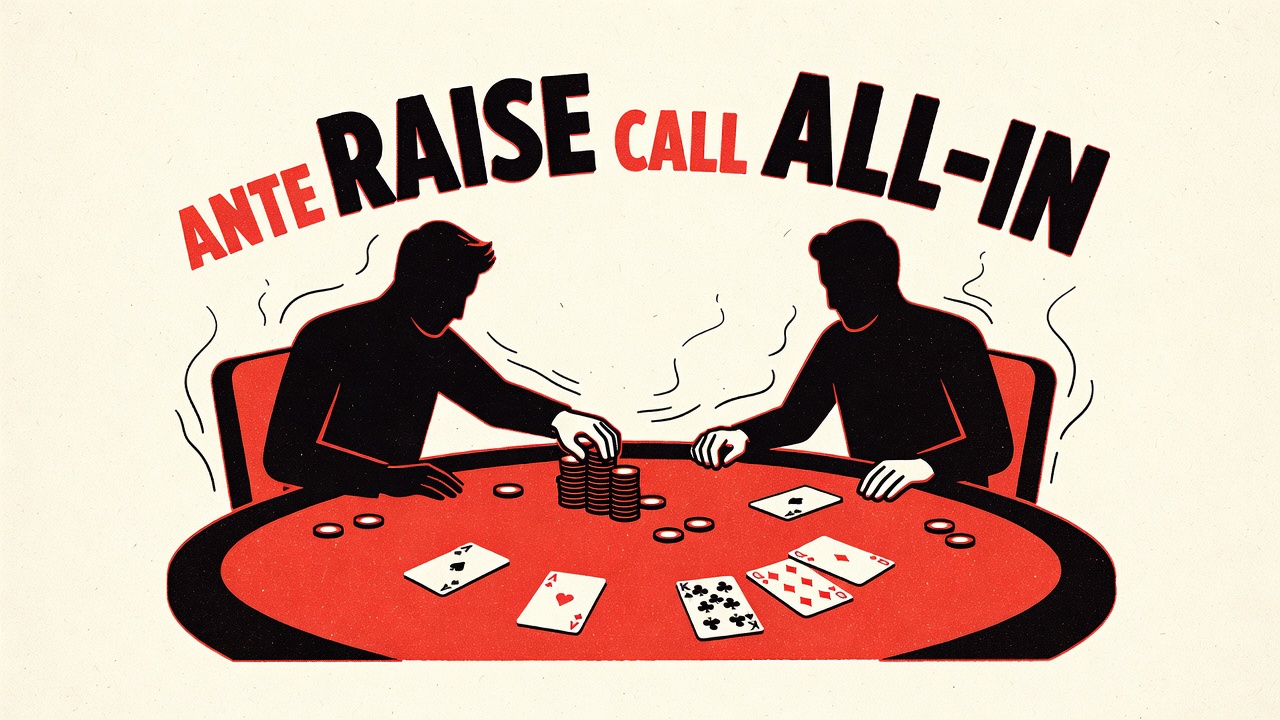
On Tuesday mornings, I buy a two-dollar lottery ticket. The odds are impossible, but the fantasy is free. That fantasy costs forty cents per day, and I am at peace with that trade. The check-raise on the river is similar: a gamble on a fantasy of control that costs money but offers something valuable.
The river is the final betting street in Hold'em. All cards are dealt. The hand is determined. There is no more possibility of making something better unless you are running a bluff. A check-raise here is a statement: you have been quiet, and now you are loud. Your opponent bet, and you responded with aggression.
The mechanics are straightforward. You check. Your opponent bets. You raise. Now they must decide whether you have it or you don't. The power of the move is that you get to act last, which is a massive advantage in poker.
The Psychology
The check-raise works because it creates narratives in your opponent's head. They bet because they thought their hand was strong or they were stealing. Your check-raise disrupts their story. Now they have to rewrite it. Do they have the best hand, or did you just trap them?
Most opponents default to respecting the check-raise. It means strength in their experience. They fold hands they could beat if they called. This is the fundamental why the check-raise is profitable.
The frequency matters immensely. If you always check-raise, you become obvious. Your opponent learns that checking means checking. They stop betting into you. If you never check-raise, you become exploitable. Your opponent bets every time you check because they have learned you don't have anything.
The sizing of the raise determines the message. A small raise looks like you want a call. A large raise looks like you want a fold. The smallest raise (the "min raise") looks like you are giving your opponent odds, which is unusual and therefore alarming. Most opponents perceive a min raise as a sign of strength (because an aggressive player would not min-raise a bluff).
"The check-raise is control through apparent surrender. You look weak, and when you strike, the weakness becomes a weapon."
The hand selection matters too. A set or a full house on the river is a strong hand but not a guarantee. Trips are weaker. A straight is medium strength. A pair is usually too weak to check-raise unless you are bluffing.
The semi-bluff check-raise does not exist on the river because there are no more cards to come. A check-raise on the river is either a value play (you have the best hand) or a bluff (you do not). The ambiguity is the power.
The position dynamics shift because the betting order has already happened. Your opponent checked, you checked back, or you checked and they bet. The river check-raise reverses the momentum of the hand.
What makes the check-raise appealing is the same thing that makes the lottery ticket appealing. It offers a story where you win dramatically. The quiet player reveals strength at the critical moment. The opponent is caught off-guard. The pot is yours.
The difference between the lottery and the check-raise is that the check-raise has edges. A properly calibrated check-raise strategy against the right opponents is profitable. A lottery ticket never is. But the feeling is similar: you are gambling on a possibility and hoping for vindication.
End of the entry for Day 231