Bonus offers · Daily read
Risk-Free Bet Promotions: How They Actually Work
A risk-free bet sounds like grace. But what the sportsbook gives with one hand, it takes with the other. The terms are written small, and they hide the catch the same way a serpent hides in tall grass.
By Chris Vaughn, 3 min read
Day115
Entered under Bonus offers. Also under Sports bets.
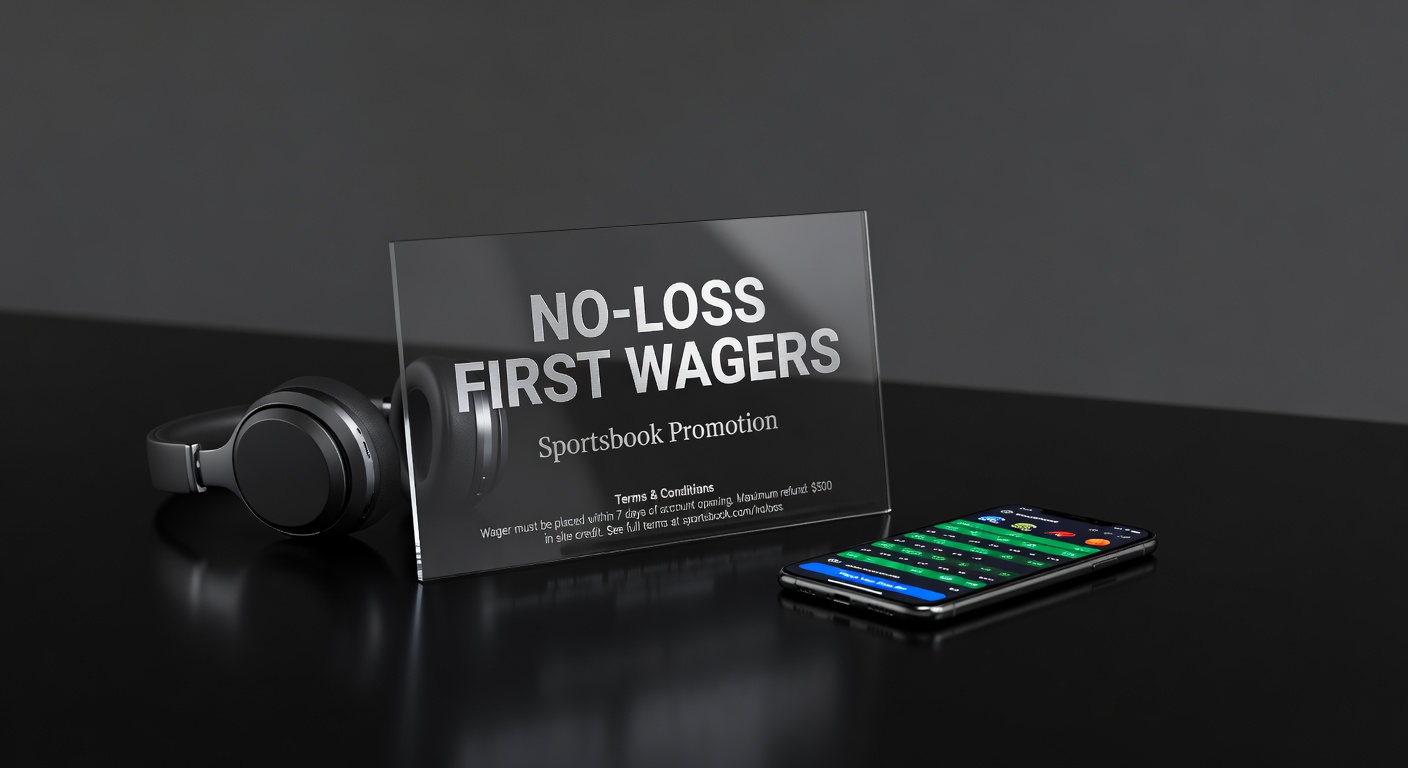
Listen. You've heard the promise. "Risk-free bet up to $500." The words sound like someone's blessing you. Like the house is going to let you play for free. That's what your neighbor told you. That's what the commercial says. But let me tell you what risk-free actually means, because the devil don't announce himself when he walks in the room.
A risk-free bet works like this: you place a wager on a game. The sportsbook covers your loss, but only if you lose. Only exactly that much. Only under conditions printed in text the size of a whisper.
The Mechanics of Mercy
Let's say DraftKings offers you a $100 risk-free bet. You bet that on a soccer match. If you win, you keep your winnings. Simple. No catch. But if you lose, DraftKings refunds your $100 as a site credit. Site credit. Not cash. You can't withdraw it. You can only use it to bet again.
Now, here's where the math starts working against you. You place that $100 credit on the next bet. You need to win that second bet to break even. The odds of winning two bets in a row are half the odds of winning one bet. The house is asking you to take another gamble just to get back to where you started.
The refund of your losing bet is not charity. It's an invitation to bet again. And again after that.
This is the structure they don't want you thinking about. The risk-free bet isn't really risk-free. The risk is deferred. They're giving you rope, measured in site credits, and the only way off the rope is to climb higher.
What Gets Lost in Translation
The sportsbook doesn't lose money on risk-free bets. Let me say that again. They don't lose money. They restructure money. Out of every 100 people who take a risk-free offer:
- Forty might win their first bet and walk away happy, cash in hand, no second bet required.
- Sixty will lose and take the site credit.
- Of that sixty, maybe forty will use the credit on another bet.
- Of those forty, maybe thirty will lose again.
By the third or fourth cycle of betting, the customer has either won big (unlikely), lost everything (likely), or gotten tired and quit (very likely). The sportsbook wanted them to get tired. Tired people quit while they still have chips on the table. The sportsbook keeps those chips.
Bet365 runs the same model. So does FanDuel. The mechanics are identical. They publish their terms because they don't have to hide them. The customer's own hope hides the terms better than any tiny print ever could.
The Escalation is Intentional
Some sportsbooks (and I'm going to name this because it matters) match your deposit as a bonus. "Double your first deposit!" That sounds different. That is different. But the mechanism is the same. Thirty-five-dollar deposit, thirty-five-dollar bonus. Now you're playing with seventy dollars, but the seventy is trapped in the sportsbook until you've "played through" the amount, usually two or three times. So you have to bet two hundred dollars to have earned the bonus.
The sportsbook knows something about human nature. Once you've played through the bonus, you don't leave. You're already in. You're already down fifteen dollars on the play-through. Your brain says: just one more bet. Just recover the loss. That's how the math moves from theory to tears.
The Landing
A risk-free bet is not dishonest. The sportsbook tells you the terms. The terms are legal. The terms are offered to millions of people who understand them and accept them. But understanding something and accepting it because you need it are two different things. The person taking that risk-free bet is often taking it because they lost money somewhere else and need to feel like they have a shot. The sportsbook knows this. The sportsbook built the offer for exactly that person. The risk-free bet isn't about fairness. It's about extending the game long enough that mathematics wins. And mathematics always wins. Eventually. Always.
End of the entry for Day 115