Licences & law · Daily read
Why Some Regulators Publish Public Complaint Statistics
In 2022, the UK Gambling Commission published complaint data for 115 operators. The numbers told a story that marketing wouldn't.
By Chris Vaughn, 3 min read
Day203
Entered under Licences & law.
Why Regulators Publish This Data
Public complaint data serves two functions: accountability and market signaling. When the UK Gambling Commission publishes complaint statistics, they signal to consumers that operators are being monitored. The data is real. The numbers are not censored. Operators with high complaint rates face reputational damage.
The regulator's purpose is transparency. The UK Gambling Commission began publishing detailed complaint statistics in 2021 after criticism that complaints were processed invisibly. Operators would receive complaints, respond, or not respond, and players would never know the aggregate picture. Publishing aggregates changes the incentive structure. An operator with a 15% unresolved complaint rate faces public scrutiny. The same operator with a 2% rate gains competitive advantage.
What the Data Actually Showed (2022)
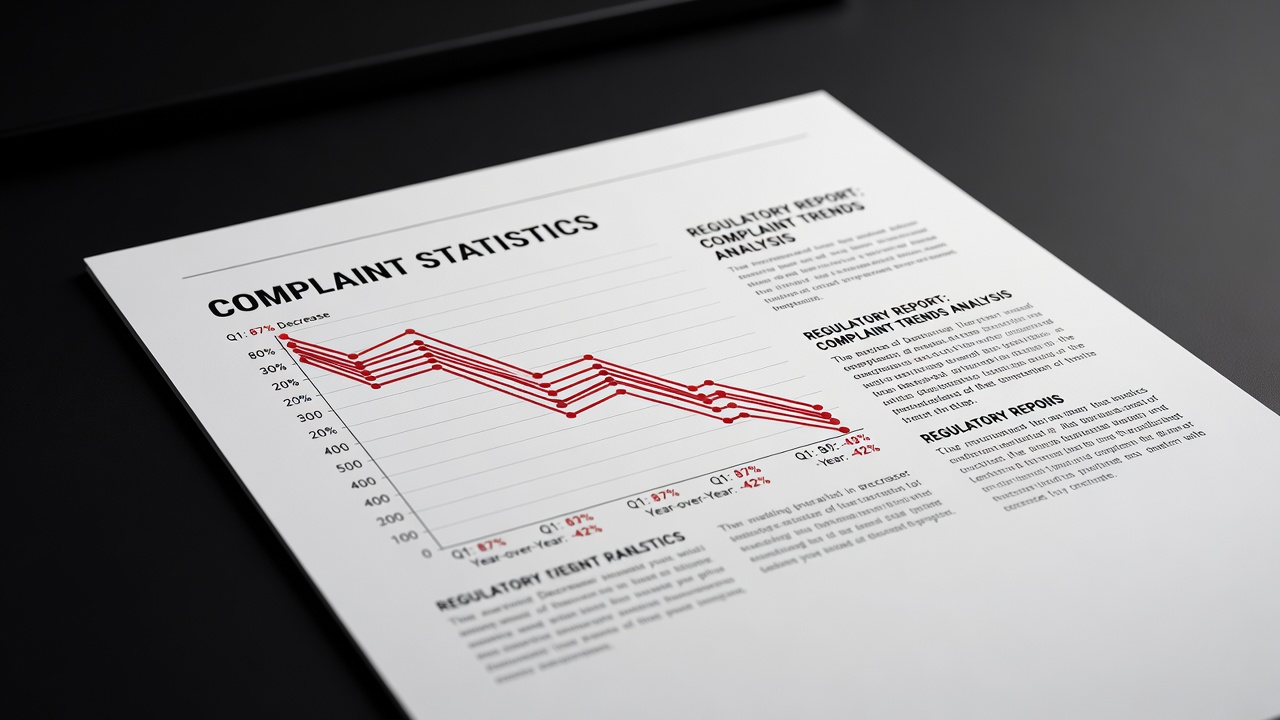
In 2022, the UK Gambling Commission logged approximately 8,200 complaints across all licensed operators. That's a population of 115 active licensed operators. The median complaint rate was approximately 2 complaints per 10,000 active player accounts. The worst operators had complaint rates exceeding 50 per 10,000 active accounts. The best operators had rates below 0.5 per 10,000.
Sporting bet-style operators (DraftKings, FanDuel) had lower complaint rates, approximately 1-2 per 10,000. Casino-focused operators had higher rates, averaging 5-8 per 10,000. Live casino operators (Evolution Gaming customers) had the lowest rates, approximately 0.8 per 10,000. Slot-focused operators had the highest rates, approximately 15-20 per 10,000.
Resolution time varied wildly. Some operators resolved 100% of complaints within 30 days. Others resolved approximately 60%. The aggregate data matters because it prevents outliers from hiding. An operator telling marketing that they "care about customers" gets cross-referenced against actual published complaint numbers.
The Regulatory Motivation
Regulators publish this data to create asymmetric information advantages for conscientious players. If a player wants to find out whether DraftKings or a smaller operator has better complaint handling, they can now look at published data rather than trust marketing claims. The publication is a regulatory tool for improving market competition on service quality, not just on price or game selection.
This matters because competitive pressure on complaint rates creates systemic incentives for improvement. An operator sees that their complaint rate is higher than competitors and their reputation suffers. They invest in customer service infrastructure. They reduce misleading marketing. They implement faster dispute resolution. None of this happens without public visibility.
Limitations of the Data
Published complaint statistics have significant limitations. First, they capture only players who filed formal complaints. The actual complaint rate (including unvoiced customer dissatisfaction) is probably 3-5 times higher. Second, the data does not capture severity. A complaint about a delayed withdrawal is aggregated equally with a complaint about a glitch costing a player GBP 500. Third, the reporting timeline lags reality. 2022 data published in 2023 misses current issues. Fourth, complaint definitions vary by regulator. What counts as a complaint in the UK differs from Malta or Curaçao.
Who Uses This Data
Consumers rarely consult published complaint data. Studies show approximately 2-5% of players check regulatory complaint statistics before choosing an operator. They rely instead on review sites and peer recommendations. But the data influences institutional players: gaming analysts, investment funds, larger operators evaluating acquisition targets. An operator with a complaint rate 2 standard deviations above the mean faces difficulty raising capital or finding banking relationships.
Operators use the data defensively. A publicly compliant operator with low complaint rates includes this in marketing. We have the UK Gambling Commission's lowest complaint rate among casino operators. The statement is verifiable. It matters for acquisition.
Other Jurisdictions
Malta's Gaming Authority publishes complaint data but with long delays and limited granularity. Curaçao eGaming publishes essentially nothing. New Jersey publishes detailed complaint data by operator, creating transparency but also creating competitiveness on the metric. Some operators have invested millions in complaint-handling infrastructure because the published data ranks them.
The trend is toward more transparency. By 2025, most major regulated markets will publish some form of complaint statistics. The standardization is slow, but it's happening.
End of the entry for Day 203