Baccarat · Daily read
Phil Ivey's Edge-Sorting Lawsuits: Crockfords and Borgata Explained
Phil Ivey won 10 million dollars using edge sorting at two casinos but was forced to repay the money after legal battles. The case established that edge sorting is cheating, not advantage play.
By Wendy Cole, 3 min read
Day181
Entered under Baccarat. Also under Who's who, Primers and Table maths.
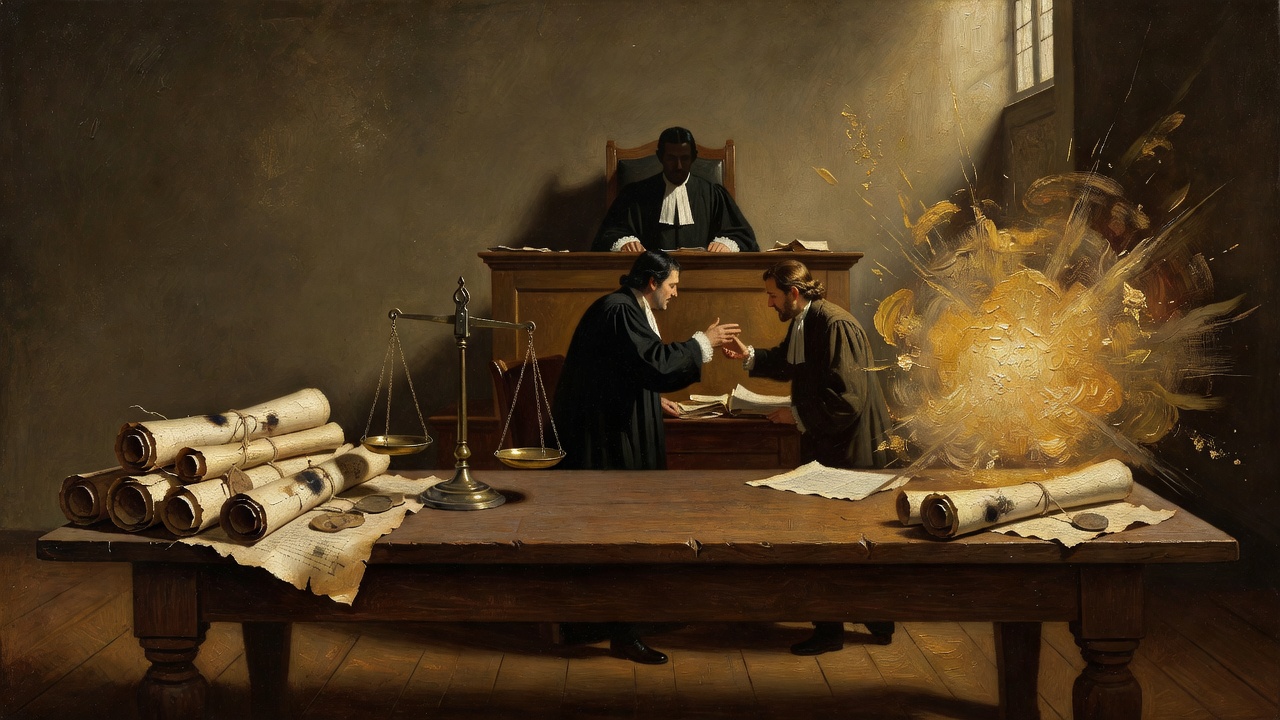
Phil Ivey is one of the greatest poker players alive. He has won hundreds of millions at the table. But the 10 million dollars he won using edge sorting at Crockfords and the Borgata defined his legacy in a different way.
Edge sorting is a technique where a player identifies slight manufacturing imperfections in playing cards and uses that information to predict what card is coming. Ivey hired a consultant who knew the technique and trained him. Then Ivey went to Crockfords Casino in London and to the Borgata in Atlantic City and played baccarat using the method.
He won approximately 5 million at Crockfords and 5 million at the Borgata. Both casinos eventually refused to pay out the winnings.
How the Technique Worked
Playing cards are manufactured to precise specifications. But no manufacturing process is perfect. Sometimes the back pattern is slightly off. The edges are slightly uneven.
Ivey's consultant identified that a specific brand and manufacturing run of cards had these imperfections. More importantly, the imperfections were consistent. Certain cards had slightly different edge patterns than others.
When Ivey played baccarat, his consultant would sit next to him and request that the dealer turn cards a specific way, citing superstition. The dealer would oblige. Ivey would then observe the backs of the cards and identify which high-value cards had been played.
When a new shoe was brought out, Ivey would note the back patterns of cards in that shoe and use his knowledge to predict which cards were coming before they were dealt.
This is not like counting cards, where the player is simply remembering information. This required dealer error (rotating cards) and casino equipment (imperfect cards).
The Legal Battles
Crockfords discovered the technique when reviewing surveillance. The casino examined the cards themselves and confirmed the imperfections were real. They refused to pay out the winnings, claiming Ivey had cheated.
Ivey sued to recover the winnings. The case went through British courts. The court decided that Ivey had obtained information in an unfair way. Even though the information came from the casino's own equipment, the manner of obtaining it (through dealer error) constituted cheating.
The Borgata case followed a similar pattern. Ivey sued. The court decided against him. Ivey had to repay the money.
The Distinction
What is interesting about the Ivey cases is the legal distinction between advantage play and cheating.
Card counting is advantage play. It is legal. Casinos ban counters, but it is not cheating.
Edge sorting was determined to be cheating. Why. Because it relied on dealer error and casino equipment failure.
In principle, a player who notices an imperfection and exploits it through superior observation is similar to a counter who tracks the deck. But the courts distinguished between the two.
The courts said that edge sorting involved manipulating the dealer and exploiting equipment that was not functioning correctly. Card counting exploits only the player's intellect.
The Impact
After the Ivey cases, casinos immediately improved card quality. Cards showing visible imperfections are removed from play. Some casinos changed how frequently cards are replaced. Some changed how they train dealers to handle cards.
The vulnerability that Ivey exploited has been largely eliminated through operational changes.
Ivey's legacy as a player is untarnished. He is still among the best poker players alive. His tournament results speak for themselves.
But the edge-sorting cases will be remembered as the moment when edge sorting was legally determined to be cheating. The distinction is now clear: you can exploit your own skill, but you cannot exploit dealer error in conjunction with equipment failure.
The Philosophy
The Ivey cases touch on a philosophical question: what is fair play in gambling.
The casinos maintained that fair play means using only information that is legitimately available to a player. Ivey's consultant obtaining information through dealer error and equipment imperfection was not legitimate.
Ivey's position was that he was simply observing cards and using his observations to play. If the casino's cards and dealers were imperfect, that was the casino's problem.
The courts sided with the casinos. They established that a player cannot exploit the casino's failures in execution. You can exploit the casino's failures in rule design (like counting cards), but not their failures in operation.
This distinction has held up and influenced how casinos now think about security.
End of the entry for Day 181