On your phone · Daily read
Mobile Sports Betting vs Desktop: Pros and Cons
Mobile and desktop sportsbooks operate under the same regulatory framework but differ in user experience, responsible gambling tools, and risk of impulsive wagering.
By Wendy Cole, 3 min read
Day172
Entered under On your phone. Also under Deposits & cashouts, Licences & law, Our tests and Sports bets.
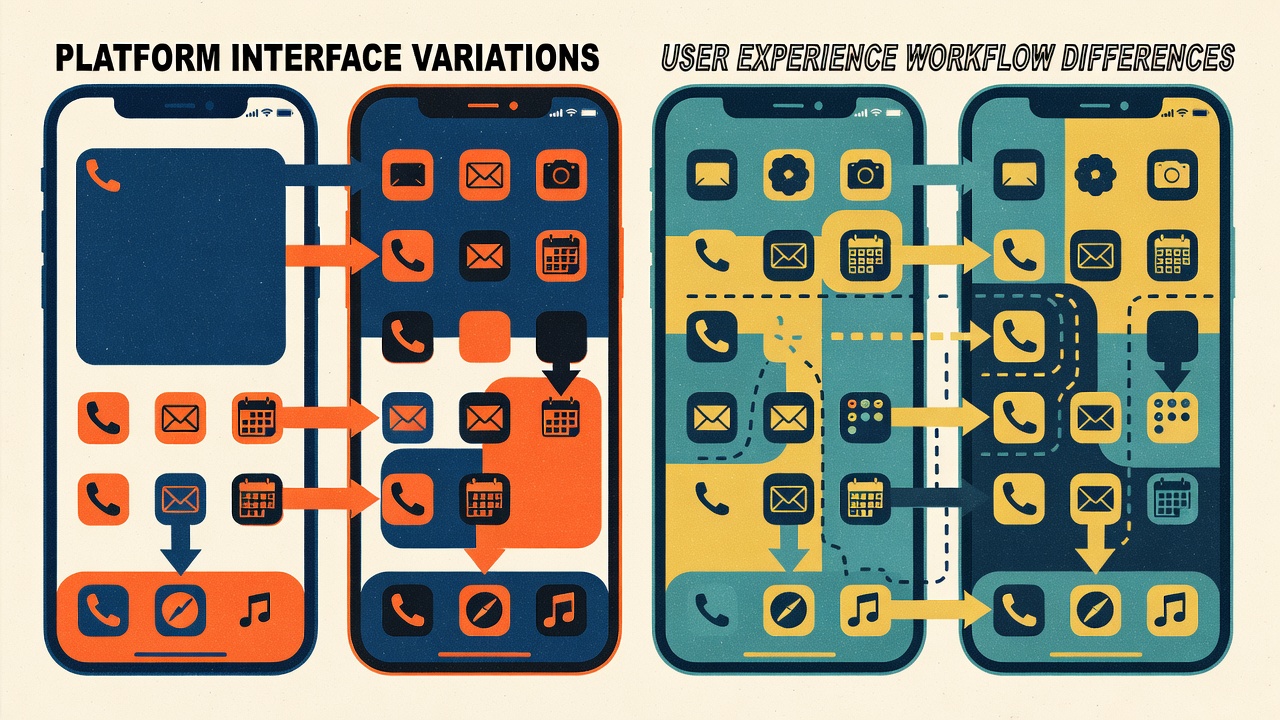
The regulatory framework governing mobile and desktop sportsbooks is identical. Both are subject to the same licensing requirements, the same integrity controls, and the same responsible gambling standards. Yet the user experience differs sufficiently that the practical regulatory implications diverge.
Mobile applications operate on a device that is near the user at all times. The opportunity to place a wager exists in the middle of a conversation, at work, during leisure time. Desktop operations require the user to access a computer, which introduces friction. This friction is not trivial from a responsible gambling perspective.
Operators of mobile sportsbooks must implement multiple safeguards to limit harm. Deposit limits can be set per day, week, or month. Betting limits can be set per wager. Cooldown periods can enforce time between wagers. Loss limits can cap maximum losses in a period. These controls are available on both platforms, but mobile applications have proven more effective at encouraging usage because the activation energy is lower.
Mobile operators in jurisdictions including New Jersey, Pennsylvania, and Ontario have higher problem gambling complaint rates than desktop operators serving the same markets. This is not because mobile software is worse. It is because the accessibility is higher. Accessibility that benefits the operator harms vulnerable users.
Comparison of Features
Desktop sportsbooks offer larger screen real estate. Multiple bets can be visible simultaneously. Complex parlay bets with eight legs can be displayed cleanly. A user can construct a bet, review all components, and execute it. The cognitive process is deliberate.
Mobile apps prioritize single bets per screen. A user scrolls through options, selects a bet, and places it. The process is faster. The cognitive burden is lower. The impulsivity is higher.
From an operator perspective, mobile is superior. Mobile users place more bets. Mobile users have higher customer lifetime value. Mobile users generate more revenue per dollar spent on acquisition. From a public health perspective, this represents a concentration of harm among problem gamblers.
Regulators have responded by requiring enhanced responsible gambling features on mobile. Some jurisdictions mandate weekly check-ins for mobile users. Some require monthly account reviews. Some limit daily deposit amounts more restrictively on mobile than on desktop. These are attempts to constrain accessibility through rule-making.
Practical Differences
A user on desktop might visit a sportsbook once or twice per day, review available options, and place a few bets. A user on mobile might check the app thirty times per day, placing single bets each time. The volume is higher. The impulsivity is higher.
This is not a failure of mobile technology. It is simply the mathematical reality of reduced activation energy. If something is easier to do, it gets done more often.
Operators acknowledge this difference. Mobile apps have higher payback ratios and higher promotional offers. The operators are competing for mobile usage specifically because mobile is more profitable. They would not spend the resources if mobile did not generate superior returns.
For users, the practical implication is this: if you are vulnerable to impulsive wagering, you reduce your risk by using desktop only. You can set a rule: only bet from a home computer. This introduces friction that makes impulsive betting less likely.
If you use mobile, you should implement stronger controls. Use deposit limits. Use betting limits. Use loss limits. Use cooldown periods. These are not cosmetic features. They are risk mitigation.
Regulatory Position
Regulators in advanced jurisdictions are moving toward more aggressive mobile-specific rules. Massachusetts, which recently licensed sportsbooks, has implemented stronger mobile responsible gambling requirements than desktop. Some European regulators are considering whether to prohibit mobile sportsbooks in certain risk categories of users.
The debate is not about whether mobile sportsbooks should exist. They clearly generate substantial revenue and employment. The debate is about what safeguards are sufficient to prevent excessive harm. Different jurisdictions are reaching different conclusions.
This is not a technical problem with mobile applications. It is a regulatory problem with human behavior. The same technology that makes sportsbooks accessible to millions also makes them problematic for a subset of vulnerable users. Regulators must balance these competing interests.
End of the entry for Day 172