Roulette · Daily read
The Mobile Roulette Player: A Confession in Six Buttons
There is a man who played roulette on his phone every Tuesday after work for three months. What he learned about himself, and what the casino learned to hide from him, is a story worth telling.
By Neil Harper, 4 min read
Day200
Entered under Roulette. Also under On your phone.
His name was Dale. He worked in insurance adjusting in Chattanooga. He was good at the work, steady, paid his bills on time, went to church on Sunday. None of this kept him from downloading an app in January.
The app was sleek. The wheel was precise. The betting interface took him three minutes to master. Red, black, even, odd, a dozen streets, a handful of corners. Everything was there, everything was clear. Everything was designed so he could bet twenty times an hour instead of the ten times the physical table allowed.
The first week was fine. Gentle losses, the kind that did not hurt, the kind that felt like the price of entertainment. He had set a budget. Fifty dollars a night. That seemed reasonable. That seemed like money he could afford to spend on the entertainment of possibility.
But the app had features. That is what this story is actually about.
The Honest Ones
The best feature was the simplest: the history tab. Twenty spins back, you could see every number that landed, the sequence laid out like a confession. Dale found himself studying this list every time he lost, looking for a pattern, a bias, a reason why the wheel had turned against him. There was no reason. That was not what the feature was for. The feature was designed to make him believe a reason existed if he only played long enough to find it.
The stakes slider was another clean piece of design. One button: adjust your bet size. Not a lot of thinking required. Just slide and play. Slide and play. The first night he kept it at a dollar. By week three, he had slid it to ten. He did not remember making that decision. He remembered the button, remembered sliding. Did not remember why.
The speed control was different. It was honest, in its way. Faster spins meant faster losing, faster winning, faster everything. The feature did not hide this. It simply offered it. Dale chose the fastest setting after his first week. He said it was for efficiency. He said he did not like waiting.
What Got Hidden
The app did something else. It did not allow him to see his daily loss. Not directly. He had to go to account history and download a CSV file, which he never did. He had to scroll back through weeks of transactions. So he did not actually know how much he had lost until he logged into his bank app, saw the withdrawals, and felt something break in his chest that had not broken in twenty years.
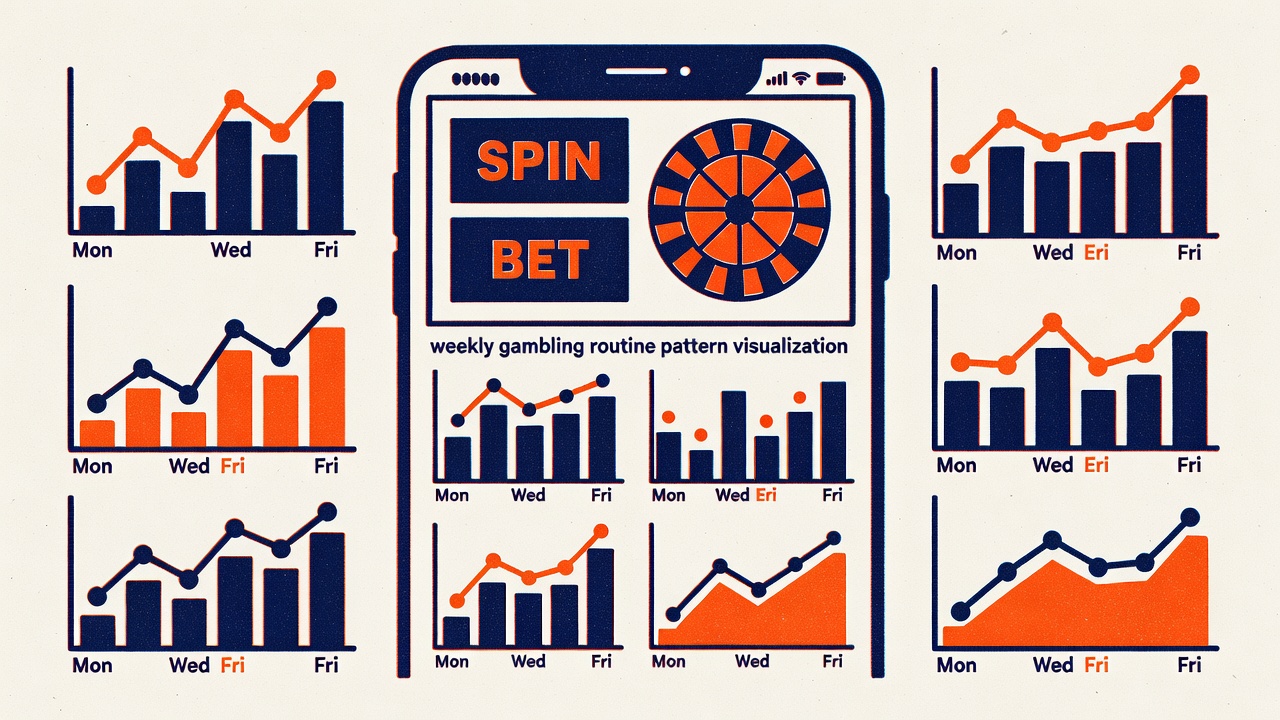
The push notifications came at 2 p.m. on Tuesdays and Fridays. Special promotions. Limited-time offers. Reload bonuses. Come back, Dale. We miss you. We have something new. The notifications came at specific times because the data showed that Tuesday 2 p.m. was when Dale usually checked his phone. The casino had learned his schedule better than his wife had.
The app did not tell him how many hours he had played. It just said: Time to take a break. But the break was optional. You could close that notification and keep playing.
He played for three months.
The Sermon, Sort Of
I am telling you this story because Dale is not alone, and because his story has a middle and an end, not just a beginning. In month three, something changed. Not a big thing. A friend asked him why his hands shook when he held a drink. The question landed different. It landed true.
Dale quit. He deleted the app. He called the casino and asked them to self-exclude, and they said, of course, that will take effect in 24 hours, just in case you change your mind. He did not change his mind.
The technology was not evil. But it was designed to know him better than he knew himself, and to use that knowledge without his awareness or consent.
The mobile roulette interface has buttons that help the player. It has buttons that help the casino. If you play, you should know which is which. The history tab is a gift and a trap. The speed control is your choice, but the choice was architected to feel natural. The notifications are not news; they are bait shaped like news.
Dale still goes to church on Sunday. He still works in insurance adjusting. He does not play roulette on his phone anymore. Sometimes he thinks about the money. More often he thinks about the three months when he did not know what was happening to him, only that it felt necessary. The app made it feel necessary. And that, maybe, is the feature that matters most.
End of the entry for Day 200