Primers · Daily read
Live Roulette Explained: European, American, and French Variants
European roulette has 2.7% house edge (37 slots). American has 5.26% (38 slots with double zero). French has 1.35% (European with special rules). The difference is EUR 10 per EUR 1000 wagered.
By Paula Nguyen, 3 min read
Day141
Entered under Primers. Also under Live dealers, Roulette, Slots and Table maths.
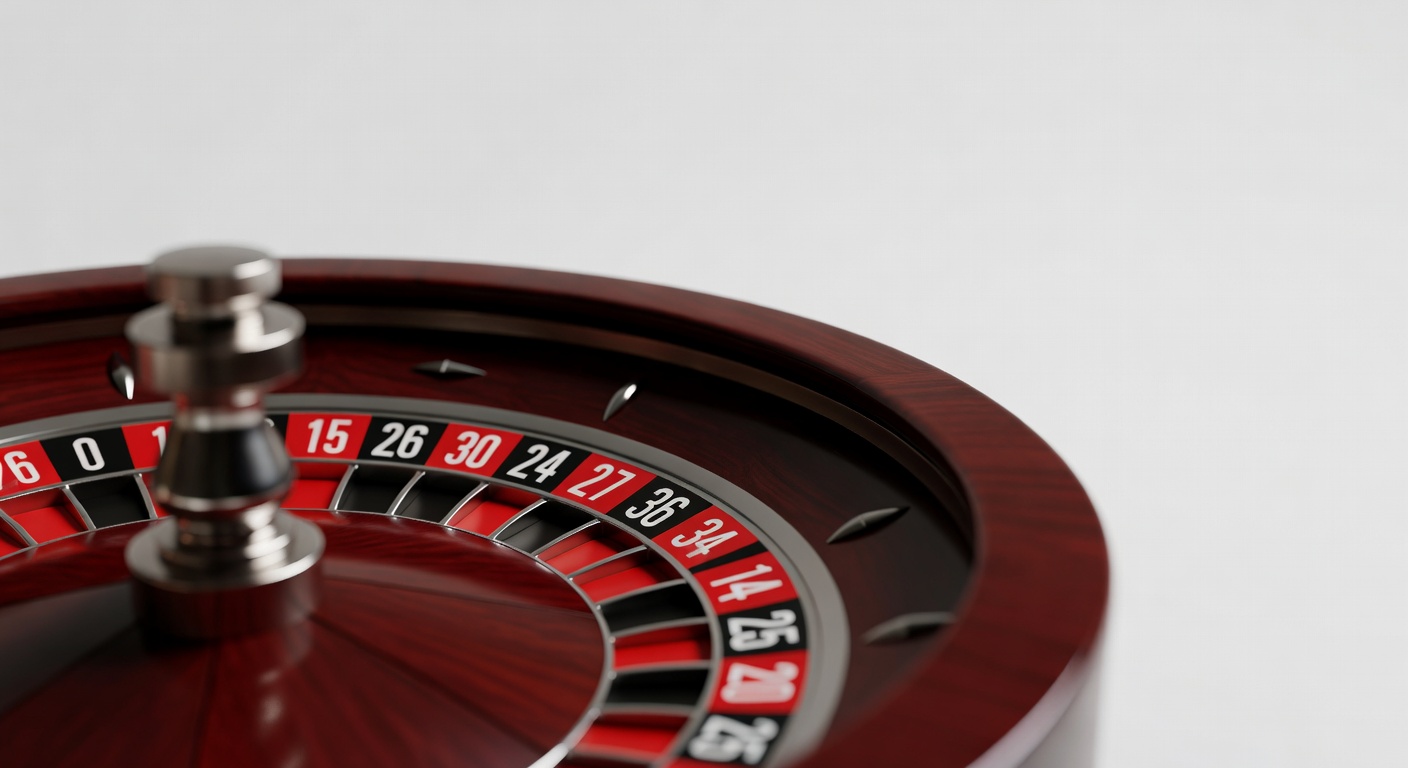
Live roulette comes in three variants. The marketing materials make them sound different. The math makes them clearer.
European: 37 slots. Numbers 0-36. Even-money bets (red/black, odd/even, high/low) hit 18 times out of 37 slots. House edge: 2.7%.
American: 38 slots. Numbers 0-36 plus 00. Even-money bets hit 18 times out of 38 slots. House edge: 5.26%. That double zero is worth billions to the house annually.
French: 37 slots (same as European), but if you bet on even money and the 0 hits, you lose only half your bet instead of all of it (en prison rule). House edge: 1.35%.
These numbers come from basic probability. You wager EUR 100 on red at each table over long enough time to hit expected value.
European: You lose EUR 2.70 per EUR 100 wagered. American: You lose EUR 5.26 per EUR 100 wagered. French: You lose EUR 1.35 per EUR 100 wagered.
Over a EUR 1,000 session, the difference between European and American is EUR 27. The difference between French and American is EUR 39. These are not trivial.
If a casino offers all three, always choose French. The house edge is half the American and half again versus European. The payout feels identical (everything resolves to a simple red/black outcome) but the mathematics favor you by a factor of two.
Why the Difference
American casinos added the double zero as a pure revenue grab around 1850. The payout odds stayed the same (even money on red/black), but the probability shifted. This is not hidden. It is a direct extraction of value.
French roulette's en prison rule is a concession to player psychology. If you bet red and black hits, you feel robbed. If you bet red and black hits but you only lose half, you feel like you got a deal. Both outcomes are objectively the same on an even-money bet (you either win or lose on the next spin), but the psychology differs.
European roulette is the baseline. Double zero was a modification to extract more. En prison is a modification to extract less while keeping psychology neutral.
What to Avoid
Do not bet on single numbers, splits, or any proposition bets. A single number bet pays 35:1 but the true odds are 36:1 against (in European roulette). That EUR 1 difference per EUR 35 payout is 2.7% extracted. The house edge is identical to the even-money bet, but the volatility is much higher.
Some casinos offer "triple zero" roulette (39 slots, three 0s) or other variants. House edge on these is 7.69%. Never touch them.
The Live Advantage
Live roulette offers one advantage over RNG roulette: you watch the physical spin. You see the wheel, the ball, the outcome. This transparency feels more trustworthy to players.
But RNG roulette has the same math. A properly audited RNG game with 2.7% house edge is mathematically identical to a live European game. The live version just costs the operator more (they need a dealer, a wheel, a table, cameras).
Some players prefer live because of the psychological feedback. You watch the ball land. You see the result. The experience feels more real. This is legitimate preference, but it should not bias you toward a worse house edge.
Choose the best mathematical game (French), not the best atmospheric game.
End of the entry for Day 141