Live dealers · Daily read
How Licensing and Regulation Apply to Live Dealer Studios
A live dealer studio is a physical facility. The regulation applies to the operator, not the location.
By Chris Vaughn, 3 min read
Day222
Entered under Live dealers. Also under Licences & law.
The gentleman from Rotterdam never revealed which casino he owned a piece of. He simply appeared at the high-limit baccarat room every Thursday evening wearing the same cream-colored suit. The studio was somewhere in Eastern Europe, operated under a Curaçao license. He watched the action from behind the velvet rope like a curator observing his own exhibition.
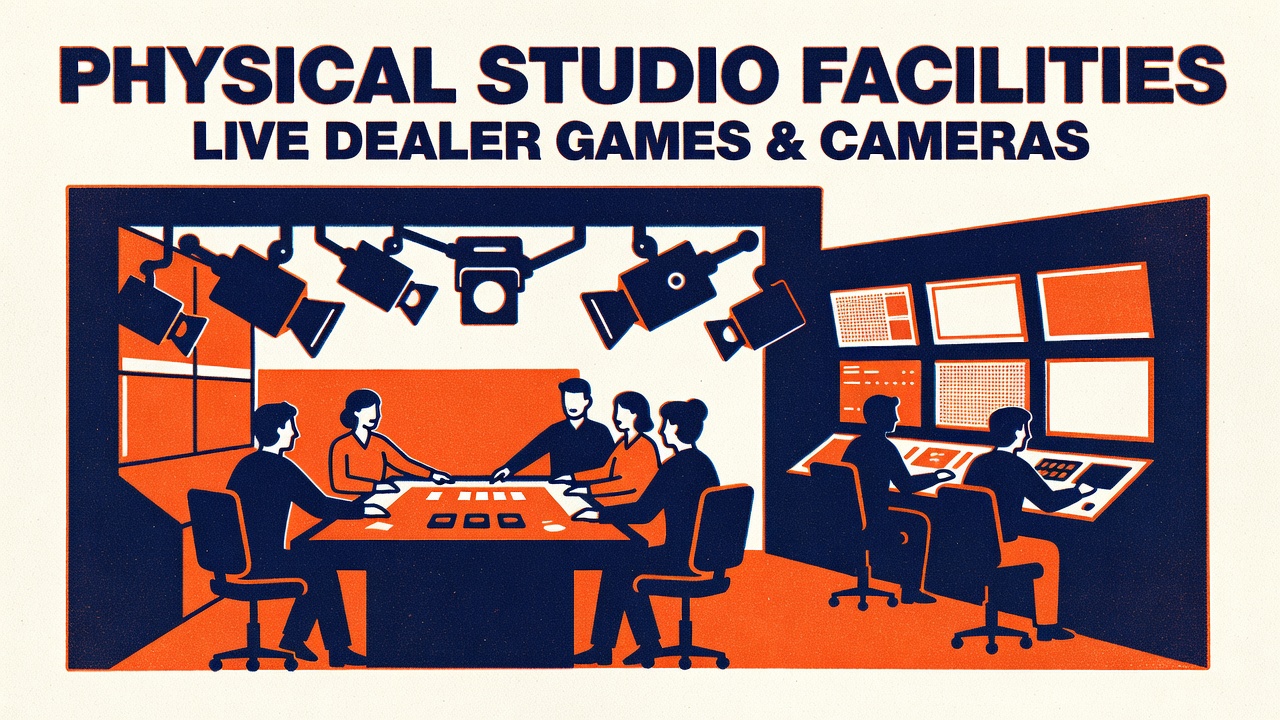
Live dealer studios are physical locations where dealers conduct games broadcast to remote players. The regulation is not applied to the studio but to the operator. A studio in the Philippines operated by a Malta-licensed company is regulated by Malta, not the Philippines.
The licensing framework involves multiple layers. The operator is licensed by one jurisdiction. The studio is located in another jurisdiction. The players are in yet other jurisdictions. Each has different regulatory requirements, but the operator's license is the controlling authority.
Evolution Gaming operates studios across multiple countries under a single license framework. The studios in the Philippines, Romania, and Italy all operate under Evolution's primary licenses (Malta Gaming Authority, UK Gambling Commission). The location is secondary.
The regulatory oversight happens at multiple points. The operator undergoes regular audits. The games are tested for fairness. The financial stability is verified. The money movement is tracked. The studio facility itself is subject to local regulations regarding labor, taxation, and physical premises maintenance.
The Regulatory Chain
The operator's license requires: financial proof, beneficial ownership disclosure, game certification, AML/KYC systems, responsible gaming controls.
The studio's licensing requires: facility compliance, employee regulations, local taxes, physical security standards.
The player's experience is shaped entirely by the operator's regulatory environment. A player at a studio physically located anywhere will experience the same regulatory protections (or lack thereof) based on the operator's license.
Game fairness is certified at the operator level. Evolution Gaming certifies every game they produce regardless of location. The Malta Gaming Authority oversees this certification. The Filipino tax authorities do not oversee the games; they oversee the facility.
"The studio is property and people. The regulation is business and money. The regulation follows the operator, not the geography."
The transparency question is worth noting: many players do not know where their live dealer game is being broadcast from. The studio could be in the Philippines, Romania, India, or Latvia. The operator does not advertise this because location would reveal whether the operator is licensed in a stringent jurisdiction or a permissive one.
The player protections depend entirely on the operator's licensing. A player at an unlicensed studio has virtually no recourse if something goes wrong. A player at a well-licensed operator (Evolution, Pragmatic, DraftKings) has jurisdictional authority backing their claims.
The facility costs differ dramatically by location. A studio in the Philippines costs a fraction of a studio in a Western country. The labor costs are lower. The real estate is cheaper. The operating costs are lower. This is why most live dealer studios are located in Asia.
The regulatory arbitrage is real. An operator might be licensed in a stringent jurisdiction (Malta, UK) while operating studios in permissive jurisdictions (Curaçao, Philippines). This allows them to offer more generous terms to players while maintaining regulatory compliance. The cost differential between locations allows profitability at lower house edges.
The future trend is toward local licensing in more countries. As more jurisdictions legalize gambling, they often require that studios be located within their borders. This pushes operators to build studios in multiple countries or to partner with local operators. The geographic arbitrage that exists today may not exist five years from now.
End of the entry for Day 222