Live dealers · Daily read
Live Blackjack Side Bets: Are They Worth Playing?
Every side bet at the blackjack table carries a hidden tax. Understand what you're really paying before you engage.
By Wendy Cole, 3 min read
Day224
Entered under Live dealers. Also under Blackjack and Table maths.
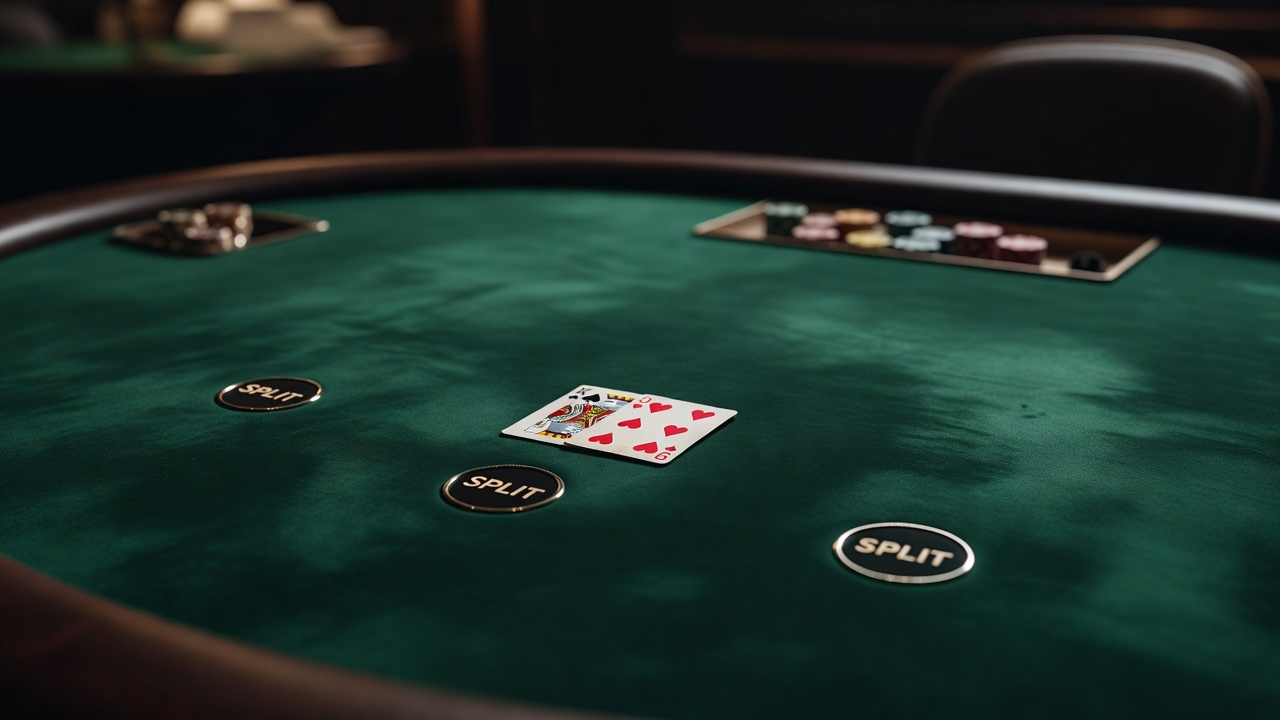
Listen, I'm gonna level with you about the side bets because nobody else will. You're sitting at a live blackjack table, and there's this little circle next to your main bet. Perfect Pairs. 21+3. Bust It. Insurance. These are traps disguised as opportunities.
The casinos don't advertise how bad the math is on these things. They show you the payout, which is dramatic. A five-dollar bet on Perfect Pairs might pay thirty bucks. That's juice. That's excitement. But the house edge on Perfect Pairs is typically around 2.5 to 4%. On 21+3, it's ten to eleven percent. On Bust It, we're talking twelve to fourteen percent.
The main blackjack game with basic strategy gives you a house edge of about 0.5%. You're playing a game where the casino has a half-percent advantage. Then you throw down a side bet where the casino has a ten percent advantage. That's twenty times worse. You're not supplementing your play. You're supplementing your losses.
The Mathematical Trap
Perfect Pairs means your first two cards match in rank. The payout depends on whether they match in suit too. Perfect pairs (same suit) pay the best. This sounds simple until you realize the casino is taking both sides. If your cards don't match, you lose the side bet. If they do match, the payout is designed such that over thousands of hands, the house takes more than it gives.
21+3 combines your two cards with the dealer's up card. You're looking for three-of-a-kind, a straight, a flush, or a straight flush. The premise is exciting. The reality is that hitting these combinations is rarer than the payout suggests. You need both the probability to be in your favor and the payout to exceed what probability demands. The 21+3 structure delivers neither.
Bust It is the worst. You're predicting whether the dealer busts and on which card. The dependency on dealer upcard and player positioning makes this completely opaque. The house edge is brutal because the payouts are designed to look generous while being mathematically inadequate.
The insurance bet is different. It's a bet that the dealer has blackjack when the dealer shows an ace. The payout is 2:1, which looks fair, but the dealer has blackjack roughly 4.8% of the time (with sixteen cards being picture cards in an eight-deck shoe). The math says you should never take insurance, but people do constantly.
"The side bets transform a game where you might stay even into a game where you definitely lose."
One thing people don't understand: the casinos track which players consistently ignore side bets and which ones can't resist them. The ones who resist side bets are the ones playing with positive expectation or minimal edge. The ones who play side bets are the ones the casino profits from most heavily.
The slot machine equivalent would be if there was a button on the machine that reduced your payout for every spin but made the entertainment feel better. That's what side bets do. You feel action. The casino extracts value.
I've watched guys at my table play perfect basic strategy on the main hand and then throw money at Perfect Pairs side bets. They're undoing all their discipline for a chance at a flashy payout. The discipline only matters if you don't sabotage it with side bets.
The bottom line: if you're at a live blackjack table and you see those side bet circles, pretend they don't exist. Bet your main hand. Play basic strategy. Walk away after a predetermined loss limit. Don't let the casinos add a hidden tax to your entertainment.
End of the entry for Day 224