Coin casinos · Daily read
Layer 2 Solutions for Cheaper Crypto Gambling: Polygon, Arbitrum, and More
Ethereum gas fees made crypto casino deposits expensive. Layer-2 networks offer a solution. Here's how the plumbing works and what it means for players.
By Neil Harper, 3 min read
Day207
Entered under Coin casinos. Also under Deposits & cashouts.
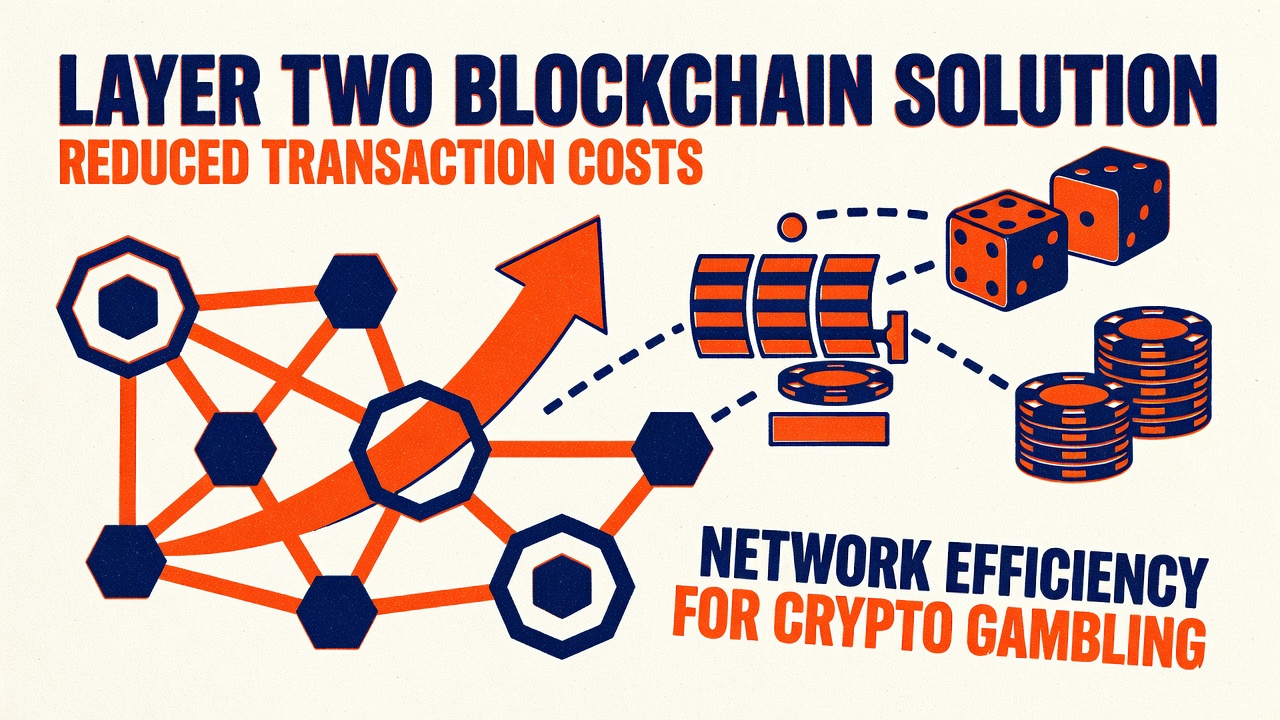
The Problem Layer 2 Solves
Ethereum, as deployed in 2015-2020, processed transactions on a single chain. A player depositing USDC to a casino incurred gas fees: USD 15-50 per transaction, depending on network congestion. For casual players, this destroyed the unit economics. A GBP 50 deposit cost GBP 20-30 in fees. The operator absorbed the fee or passed it to the player. Either way, the user experience was hostile.
Layer 2 networks emerged to solve this. Polygon, Arbitrum, Optimism, zkSync: all operate by bundling transactions off the main Ethereum chain, reducing computational load and therefore reducing transaction costs. A Polygon transaction costs approximately USD 0.01-0.10. An Arbitrum transaction costs approximately USD 0.05-0.20. The gap between Ethereum (USD 15-50) and Layer 2 (USD 0.01-0.20) is the entire proposition.
Polygon's Mechanics and Adoption
Polygon operates through Proof of Stake validators. It's a sidechain, not technically a rollup, but the end-user experience is similar. Transactions finalize in 2 seconds. Withdrawal back to Ethereum takes 20+ minutes through the standard bridge. Polygon has the highest adoption among crypto casinos: Stake.com, Duelbits, TrustDice, and dozens of others accept USDC and USDT on Polygon.
Polygon's risk is centralization. The validator set is concentrated. Matic Holdings controls significant infrastructure. For a casino operator, this risk is manageable: Polygon's outages are rare, and the ecosystem is mature enough that exchange fallback options exist. A player holding USDC on Polygon can move it to another Layer 2 or back to Ethereum.
Arbitrum and Optimism
Arbitrum operates as an optimistic rollup. Transactions are bundled and written to Ethereum as calldata, but the execution happens off-chain. Fraud-proofs can be submitted if a validator misbehaves. The withdrawal time from Arbitrum to Ethereum is approximately 7 days; a shorter time-lock is available for a fee. Arbitrum has lower traffic than Polygon and therefore lower congestion.
Optimism follows the same architecture. Withdrawal time is 7 days. Sequencer outages are rare but possible. Arbitrum has seen higher adoption in crypto casinos than Optimism, likely due to better marketing and earlier deployment of casino infrastructure.
zkSync and Zero-Knowledge Proofs
zkSync is a zero-knowledge rollup. Transactions are cryptographically proven correct rather than subject to fraud-proof challenges. The security is stronger; the computation is heavier. Transaction costs are comparable to Arbitrum. ZkSync's adoption has been slower in casinos. The ecosystem maturity lags Polygon and Arbitrum. A casino operator integrating zkSync handles a less-liquid ecosystem; player deposits are harder to convert or move.
The Economics for Players
A player depositing USD 100 on Ethereum incurs USD 20 in fees. A player depositing USD 100 on Polygon incurs USD 0.10 in fees. The difference is staggering. Across 10 deposits per month, a player saves USD 200 on Ethereum but spends USD 1 on Polygon. For high-frequency players, Layer 2 adoption is mandatory.
The trade-off is liquidity and bridging time. A player deposits on Polygon but wants to cash out on Ethereum. The bridge takes 20+ minutes. Some players tolerate this; others don't. Casinos address this by offering direct fiat off-ramps from Layer 2 assets. A player holding USDC on Polygon can cash out to a bank account in Europe through partners like Wise. The casino abstracts the bridging.
Regulatory and Operational Complexity
Operators integrating Layer 2 networks must manage separate wallets, liquidity, and reconciliation. A casino running Polygon requires Polygon-specific infrastructure. A casino running Arbitrum requires Arbitrum-specific infrastructure. Supporting three Layer 2 networks means maintaining three separate payment pipelines. The operational complexity grows.
For larger operators, this is manageable. For smaller ones, the complexity is prohibitive. Hence, most sub-100-million-dollar-annual-volume casinos support one Layer 2: Polygon, because it has the most liquidity and the lowest barrier to integration.
The Future
Layer 2 adoption in crypto gambling will likely grow as player awareness increases. Polygon will remain dominant until Ethereum scaling improves via proto-danksharding or full danksharding. Arbitrum may gain ground if Optimism remains technically stagnant. zkSync and newer rollups will remain niche.
End of the entry for Day 207