Licences & law · Daily read
Germany's Online Gambling Landscape: A General Overview
Germany has a unique regulatory structure with state licensing and federal oversight. The system is fragmented but comprehensible.
By Neil Harper, 3 min read
Day225
Entered under Licences & law.
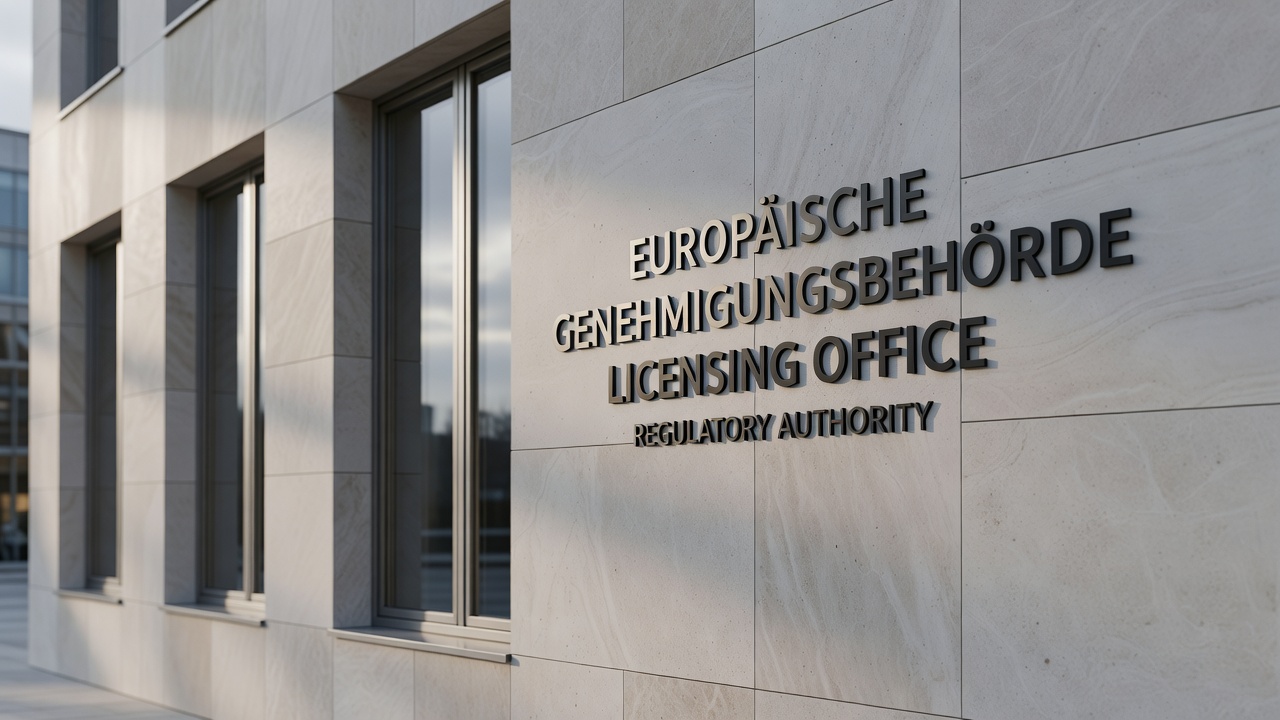
The German gambling system is best understood as sixteen separate licensing frameworks unified under federal law. Each state (Bundesland) has its own regulator and its own rules. This creates a situation where an operator might be licensed in one state but prohibited in another.
The legal framework comes from the Gambling Treaty (Glucksspielstaatsvertrag), which was last updated in 2021. Before that, online gambling existed in a grey area where it was technically legal for consumers to use foreign operators but illegal for anyone to market gambling services in Germany. The 2021 update legalized online sports betting and online casinos, provided operators obtained state licenses.
Now, the licensing system. An operator cannot simply apply to a federal body and get approved. They must apply to individual states. A common approach is to obtain a license in a state with less stringent requirements (often Brandenburg or Schleswig-Holstein) and then expand. But some major states like North Rhine-Westphalia and Bavaria have their own requirements and their own licensees.
The State Licensing Structure
First: understand that Schleswig-Holstein was the first state to offer online gambling licenses under the old system. They continued doing so for years while other states prohibited it. This created a weird market where operators were legal in one part of Germany and illegal in another.
Second: the 2021 Treaty changed this. Now there is a unified framework, though implementation still varies. An operator can get a state license, and that license is recognized across Germany, but local regulations in certain states can be more restrictive.
- Sports betting: now widely licensed across states
- Online casinos: more restricted, some states limit offerings
- Poker: classified as a game of skill, less regulated
- Slots: online slots are generally prohibited, only physical slots allowed
The regulatory authority that matters most is the office of the states involved. If you are licensed in Brandenburg, the Brandenburg Regulatory Office oversees you. If you expand to North Rhine-Westphalia, they have additional oversight.
The interesting part is the consumer protection and player limits built into German licenses. An operator must integrate with a central database (OASIS) that tracks player self-exclusion across multiple operators. If a player self-excludes at one licensed operator, they cannot open an account at another licensed operator.
"The German system is fragmented by design, which creates complexity but also consumer protections that some other markets lack."
The licensing process requires proof of responsible gaming protocols, anti-money laundering compliance, and financial stability. The fees are substantial. A typical sports betting license costs hundreds of thousands of euros annually. This creates a barrier to entry that keeps smaller operators out of the market.
Taxation in Germany is also significant. Online gambling operators pay approximately 5% to 27% tax depending on the state and the type of game. Sports betting is typically taxed at a lower rate than casino games. The high taxation is part of why some states generate licensing revenue from online gambling (it is a revenue source for the state coffers).
The market today includes operators like DraftKings, BetVictor, Bet365, and various European operators who have obtained German licenses. The market is mature and competitive, though there are fewer operators than in, say, the UK because the licensing requirements are more stringent.
One edge case: poker and skill games. Germany considers poker a skill game, which means different regulatory treatment. Some poker platforms operate with different licensing requirements than sports betting platforms. This is important for players who are interested specifically in poker.
The enforcement side is worth noting. The German authorities actively pursue unlicensed operators. If you use an unlicensed operator while in Germany, you are technically in violation, but enforcement against individuals is rare. The enforcement is directed at the operators themselves.
End of the entry for Day 225