Who's who · Daily read
Fedor Holz: The German Prodigy Who Walked Away at 24
Most poker stories end with a player broke and bitter. Fedor Holz's story ended with him deciding he had won enough and walking away while ahead. That is the story casinos do not want you to hear.
By Chris Vaughn, 3 min read
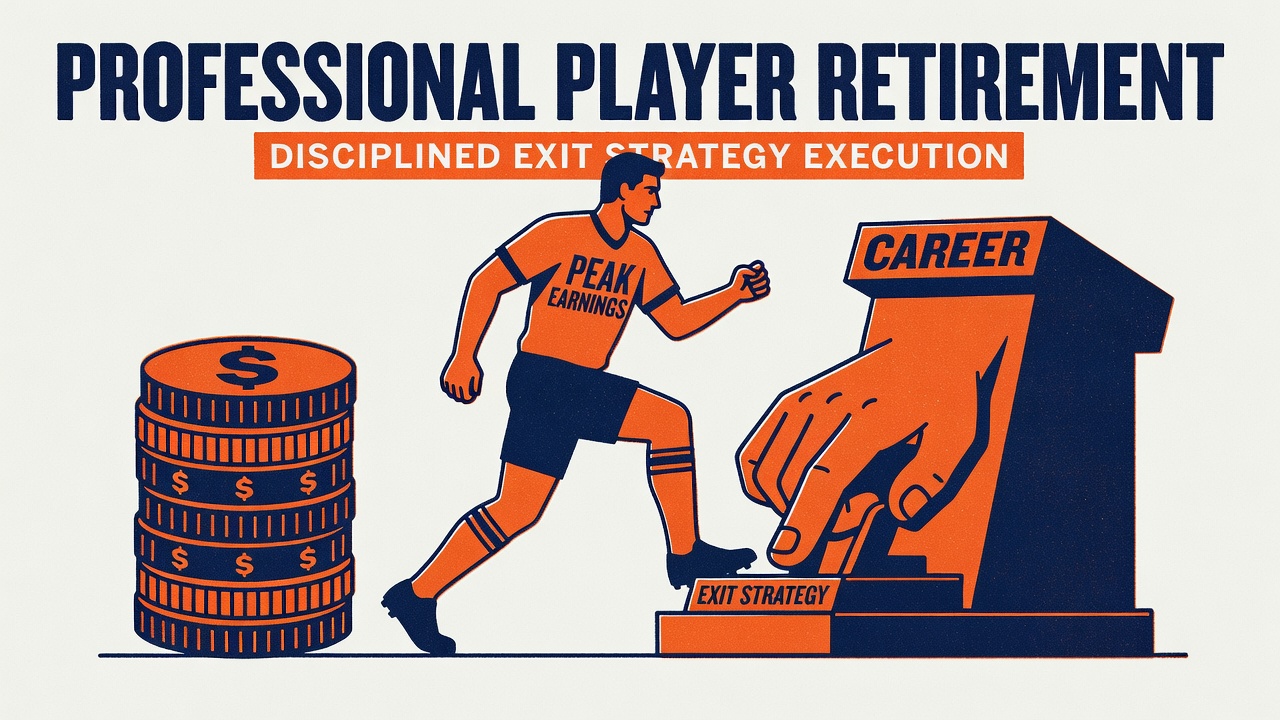
Fedor Holz came into poker like a rookie comes into the league. Three-time bracelet winner by age 24. One hundred sixty million in live tournament earnings, give or take. The kind of run that makes veterans look at each other and say, is this kid even human?
But here is the hot take: Fedor Holz is not a poker story. He is a retirement story. He is proof that the game can be beaten, and proof that beating the game is not the same as winning at life.
The Setup
Holz burst into poker around 2013, when online poker was still radioactive in the US and the live circuit was consolidated in Vegas and Europe. He won. A lot. He won the 2014 EPT Grand Final €10k High Roller. He won the 2016 EPT €100k Super High Roller. He played in big games and he played well.
What made him different was the range of his success. Holz was not a cash-game grinder who occasionally cashed tournaments. He was not a tournament specialist who struggled with live play. He was a complete player. He showed up in tournaments and beat fields full of pros. He showed up in cash games and beat the whales. The kind of breadth that tells you he actually understands the game.
The stats were impossible. By 24, he had a 10 million dollar profit margin. That is not variance. That is skill expressed consistently.
The Turn
Then, in 2017, Fedor did something nobody expects a 24-year-old poker millionaire to do. He walked away from poker. He stepped back from tournaments. He said, I am going to do other things.
This is where every poker story usually ends with the player flat broke and desperate to get back in the game. Not Fedor. Fedor stayed gone.
He said later that poker had given him everything he wanted. He had the money. He had the status. He had proven he was better than thousands of other people at the game. But he did not have passion, or perhaps he did not want to spend the passion he had on poker forever.
Why This Matters
Most professional poker stories end one of three ways: First, the player gets rich and stays rich and plays forever because the money is too good to leave. Second, the player loses it all and has to rebuild or disappear. Third, the player plays until they cannot anymore, age or health or irrelevance finally removing them from the game.
Fedor took a fourth path. He said: I will take the winnings and go do something else.
This is the story the poker industry does not want publicized. The industry benefits from the narrative that poker is a calling, that great players cannot leave because the game is too important, because they are too good. Fedor proved that was optional.
The most important game Fedor Holz ever won was not a tournament. It was the game of deciding to stop playing.
He came back briefly to play some high roller events in 2021 and 2022, made some money, then stepped back again. By then, he had made his point. You can beat poker. You can take your winnings. You can leave.
This does not mean poker is easy. This does not mean you should quit your job and try to become a professional. The Holz path requires skill, discipline, a bankroll, and a willingness to walk away when you have won. Most people who play poker have one or two of those four things. Fedor had all four.
But the fact that the path exists, the fact that one 24-year-old German kid demonstrated it, changes the conversation. It says the game is beatable not just in EV sense but in the sense that you can play it, win, and then leave. You do not have to be like the poker players you read about, grinding forever, chasing the next tournament, writing another chapter. You can write the ending you want.
Fedor Holz is not the greatest poker player ever. That title probably belongs to someone like Ivey or Negreanu, players with longer careers and deeper bodies of work. But Fedor is something more interesting. He is the guy who proved that you can beat the game and then leave it. That matters.
End of the entry for Day 202