Baccarat · Daily read
Why Casinos Watch Whale Baccarat Players So Closely
Whale baccarat players generate enormous revenue for casinos, which means they also represent enormous risk. The surveillance is not about cheating prevention. It is about early warning for financial collapse.
By Neil Harper, 4 min read
Day186
Entered under Baccarat. Also under Record wins and Account safety.
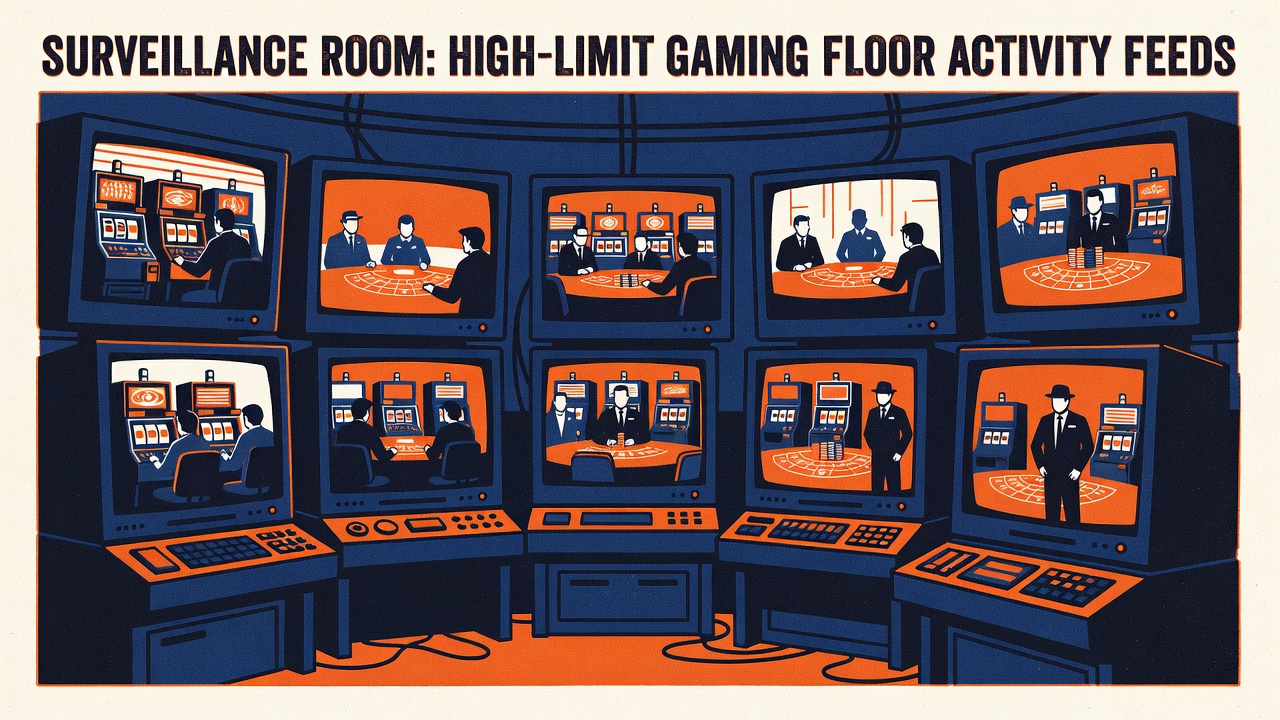
A whale is a player who risks more than 100,000 dollars per session, sometimes per hand. These are not numerous people. In a given casino on a given night, there might be zero, one, or two whales playing. They are the difference between a profitable week and a terrible one.
A whale playing baccarat at a 50,000 dollar minimum bet, playing for four hours, making four hands per minute, will wager 48 million dollars in total theoretical action. At a 1 percent edge, the casino expects to win 480,000 dollars from this single player in one night. That is the target revenue for weeks of slot play from ordinary customers.
Because the stakes are so high, casinos surveillance whales intensively. The obvious reason is cheating prevention. Whales might use signaling systems, hidden devices, or collusion with dealers to manipulate outcomes. These risks are real but not the primary reason for surveillance.
The real reason is financial risk management. A whale who is winning is a whale who is about to stop playing and leave town. A whale who is losing is a whale whose personal finances may be deteriorating. The casino needs to know which one is happening, because if the whale's finances collapse, he becomes a chargeback risk, a dispute risk, and potentially a problem-gambling-complaint risk.
How Whale Surveillance Works
When a known whale arrives at a property, the casino operations team is notified. Security sends two officers to take positions near the table. A pit boss assigned to whales (yes, this is a real job title) stations nearby. A manager from VIP services watches from the observation room. The floor director is informed via radio.
The surveillance system focuses specifically on the whale and the dealer. The resolution is typically 4K, which means the casino can zoom in and identify individual cards as they are dealt. The feed is recorded, timestamped, and stored. If there is any later dispute about a hand, the casino can review the exact sequence of cards, the exact positions of bets, and the exact timing.
But here is what is less obvious. The casino is also watching for signs of financial desperation. Is the whale making increasingly erratic bets? Is he chasing losses? Is he calling for credit extensions beyond his usual pattern? Is he sweating or showing other signs of emotional distress?
These observations are documented in the whale's file. The VIP manager reviews them. If a whale is showing signs of problem gambling or financial distress, the casino faces a choice. Do we keep serving him, knowing he is gambling with money he cannot afford to lose? Or do we ask him to leave, knowing he might take his future action to a competitor?
Most large casinos choose to keep serving, but they adjust their behavior. They might offer a larger rebate on losses, which effectively reduces the house edge. They might encourage the whale to take a break, have a meal, see a show. These are not acts of kindness. They are harm-reduction tactics that protect the casino from liability.
The Psychology of Whale Play
Whales are not a uniform population. Some are professional gamblers with large bankrolls and rational decision-making. Some are businesspeople with excess capital and loose risk management. Some are problem gamblers in denial about the severity of their losses.
For professional players, the surveillance is almost irrelevant. They understand the game, they understand the odds, they manage bankroll carefully. A professional whale is at baccarat because the 1 percent edge is acceptable given the action and the potential for variance to produce wins.
For wealthy businesspeople without professional gambling experience, the situation is different. They may view gambling as entertainment with a cost. A billionaire can afford to lose one million dollars per year and absorb it as a cost of the Vegas experience. But if that same person is a compulsive gambler, the costs can exceed their capacity to pay. The casino needs to identify which type of whale they are serving.
For problem gamblers, the surveillance becomes a data-collection process. The casino documents losses, playing patterns, and signs of distress. This documentation becomes important if the player later claims the casino was negligent in allowing him to gamble beyond his means. The surveillance feed proves the casino was aware of the behavior. The documentation proves the casino noted concerning patterns. This does not legally protect the casino from liability, but it does protect them in terms of regulatory enforcement.
What Happens When a Whale Breaks
Occasionally a whale's financial situation collapses. He can no longer fund the losses. He asks for an extension of credit. The casino determines this is not possible. The whale becomes volatile, sometimes aggressive.
What happens next depends on jurisdiction. In Nevada, the casino can ban the player. In more regulated jurisdictions, there are protocols for problem-gambling intervention. Some properties will offer to connect the whale with treatment resources. Most will simply revoke credit and ask him to leave.
The surveillance of all of this is continuous. If a dispute later arises about whether the casino allowed problem gambling to continue, the record is complete. If a whale claims he should not have to pay his losses because he was intoxicated or mentally unstable, the surveillance footage will either support or contradict that claim.
The watching of whales is thus a full-spectrum risk management operation. It prevents cheating, it documents financial distress, it protects the casino from liability, and it allows the casino to make informed business decisions about whether to continue serving a particular player.
It looks like intense scrutiny because it is. But it is not primarily about security. It is about money.
End of the entry for Day 186